

The Role and Application of Dry Cooling Coils in Cleanroom HVAC Systems EVER HEAT Technical Insights
Categories:Heat Exchanger Guide Author: author
In modern cleanroom HVAC engineering (such as semiconductor cleanrooms, biopharmaceutical workshops, and hospital operating rooms), precise temperature and humidity control, along with micro-contamination prevention, are core requirements. As a critical component in the MAU (Makeup Air Unit) + FFU (Fan Filter Unit) + DC (Dry Coil) system, dry cooling coils take on the vital task of eliminating sensible heat loads indoors. Combined with rational airflow organization, they ensure the clean environment meets strict standards.
As a professional heat exchanger manufacturer, EVER HEAT provides an in-depth analysis of the core role, technical parameters, and application guidelines of dry coils in purification systems.
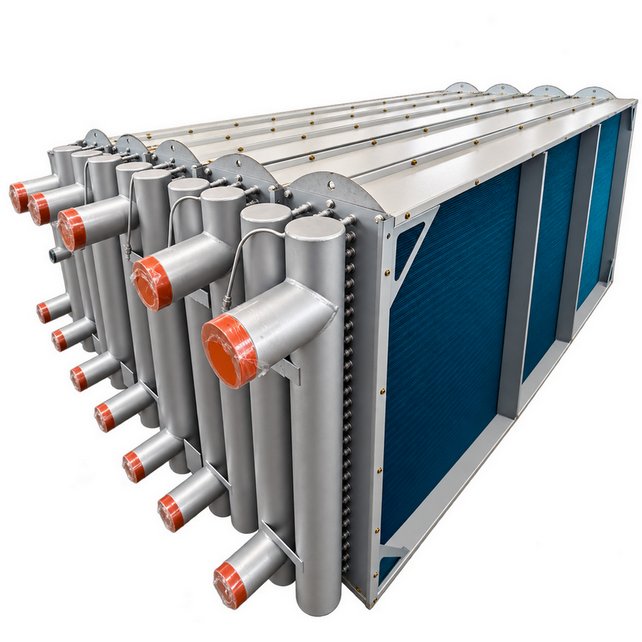
I. Basic Principles of Dry Coils in Cleanroom HVAC Systems
Dry cooling coils are primarily used to handle sensible heat loads in cleanrooms (such as heat generated by equipment and personnel). Unlike standard cooling coils, the chilled water inlet temperature inside a dry coil is typically set around 13℃~14℃, which is intentionally higher than the indoor air dew point temperature.
Under these operating conditions, no condensate water is generated on the fin surface during the heat exchange process. This "dry" operation effectively prevents water accumulation and inhibits the growth of mold and bacteria, making it a crucial thermodynamic design for ensuring high-cleanliness environments and eliminating biological contamination sources.
II. Structure and Composition
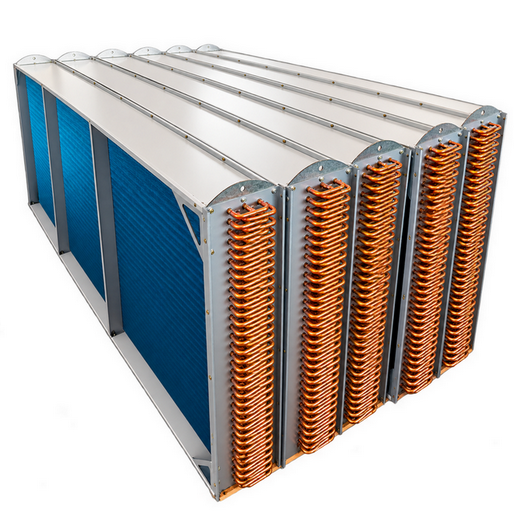
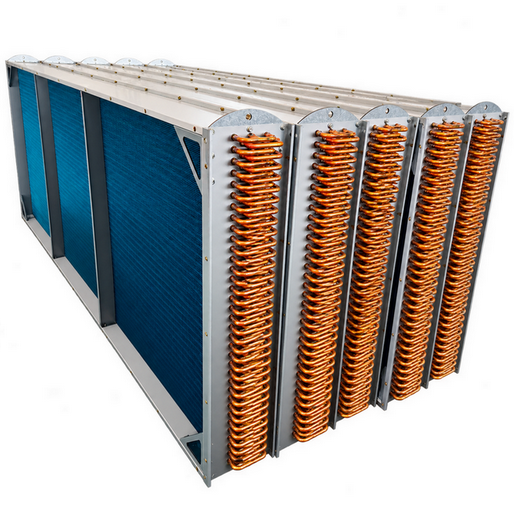
High-quality dry coils demand rigorous structural design and material selection. EVER HEAT's dry cooling coils typically consist of the following components:
Heat Exchange Tubes: Made of high-purity copper tubes to ensure excellent thermal conductivity.
Fins: Hydrophilic aluminum foil or bare copper foil is utilized, tightly bonded to the copper tubes through a precise mechanical tube expansion process to maximize the heat exchange area.
Outer Frame Structure: Constructed from galvanized steel sheet or 304/316L industrial-grade stainless steel (suitable for highly corrosive environments), ensuring structural stability and durability against high-velocity airflow impacts.
III. Key Parameters and Performance Indicators
In cleanroom engineering selection, the core technical parameters of dry coils include:
Sensible Cooling Capacity and Face Velocity: Directly determines the environmental cooling capacity.
Air-Side Resistance (Pressure Drop): A balance must be struck between heat exchange efficiency and air pressure drop to minimize the operating energy consumption of the system's FFUs.
Water-Side Resistance and Pressure Bearing Capacity: Affects water pump selection and water system circulation efficiency.
Fin Pitch: Customized based on the cleanroom's dust concentration and air volume to optimize airflow channels.
IV. Typical Application Scenarios
The dry coil system serves as the core temperature control terminal in microparticle and microbial control environments, widely applied in:
Microelectronics and Semiconductor Manufacturing: Wafer fab cleanrooms (Class 1 to Class 1000), providing large cooling capacity and absolutely condensate-free, high-precision cooling.
Biopharmaceuticals and Healthcare: GMP pharmaceutical workshops, hospital Class 100 operating rooms, and P3/P4 biosafety laboratories.
Data Centers and Precision Instrument Rooms: Cooperating with liquid cooling or high-density air cooling systems to deliver efficient sensible heat elimination in equipment rooms.
V. EVER HEAT Selection and Customization Guide
Different operating conditions impose stringent requirements on the materials and craftsmanship of dry coils. When selecting a model, it is necessary not only to accurately calculate the heat generation but also to consider environmental characteristics:
Corrosive Environments (e.g., acid/alkali exhaust, coastal salt spray): EVER HEAT recommends using fins with an epoxy coating or all-stainless steel tube materials.
Food and Pharmaceutical-Grade Scenarios: Focus should be placed on the easy-to-clean design of the outer frame structure and the anti-rust and antibacterial properties of the materials to prevent secondary contamination.
Space Constraints: EVER HEAT provides flexible, non-standard size customization to perfectly match various ceiling spaces and unit installation requirements.
VI. Operation and Maintenance Suggestions
Maintenance of dry coils primarily focuses on monitoring heat exchange performance and surface cleaning. Because their surfaces remain dry, the dust adhesion rate is exceptionally low. However, EVER HEAT still recommends:
Regularly monitor the inlet/outlet water temperature difference and water pressure drop to ensure the internal waterway is free of blockages.
Aligning with the maintenance cycle of primary/medium efficiency air filters, regularly inspect the fin surface. If necessary, use compressed air or a soft brush for directional cleaning, taking care not to damage the fin structure.
During winter shutdown periods, ensure the accumulated water in the tubes is drained or antifreeze is added to prevent the copper tubes from cracking due to freezing.
Conclusion With profound technical accumulation in industrial cooling systems and customized heat exchange equipment, EVER HEAT (Foshan Ever Heat Exchanger Co., Ltd.) is committed to providing efficient and reliable coil solutions for global cleanroom HVAC engineering.
For more information on dry coil thermodynamic calculations, structural selection schemes, and engineering cases, please visit our official website www.everheatexchanger.com or contact our technical sales team directly. We are ready to provide you with one-on-one exclusive customization services.
#DryCoolingCoil #CleanroomHVAC #HeatExchanger #IndustrialCooling #EVERHEAT #EVERCOLD