Category overview
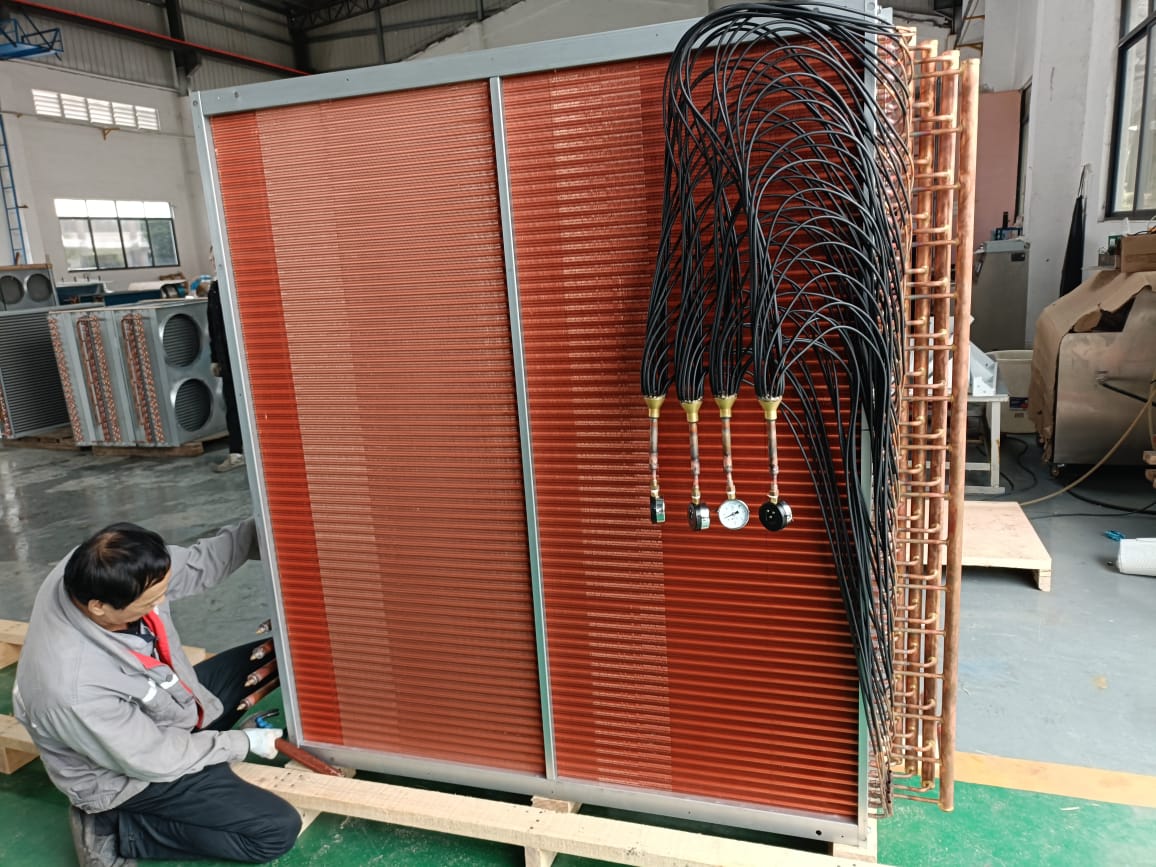
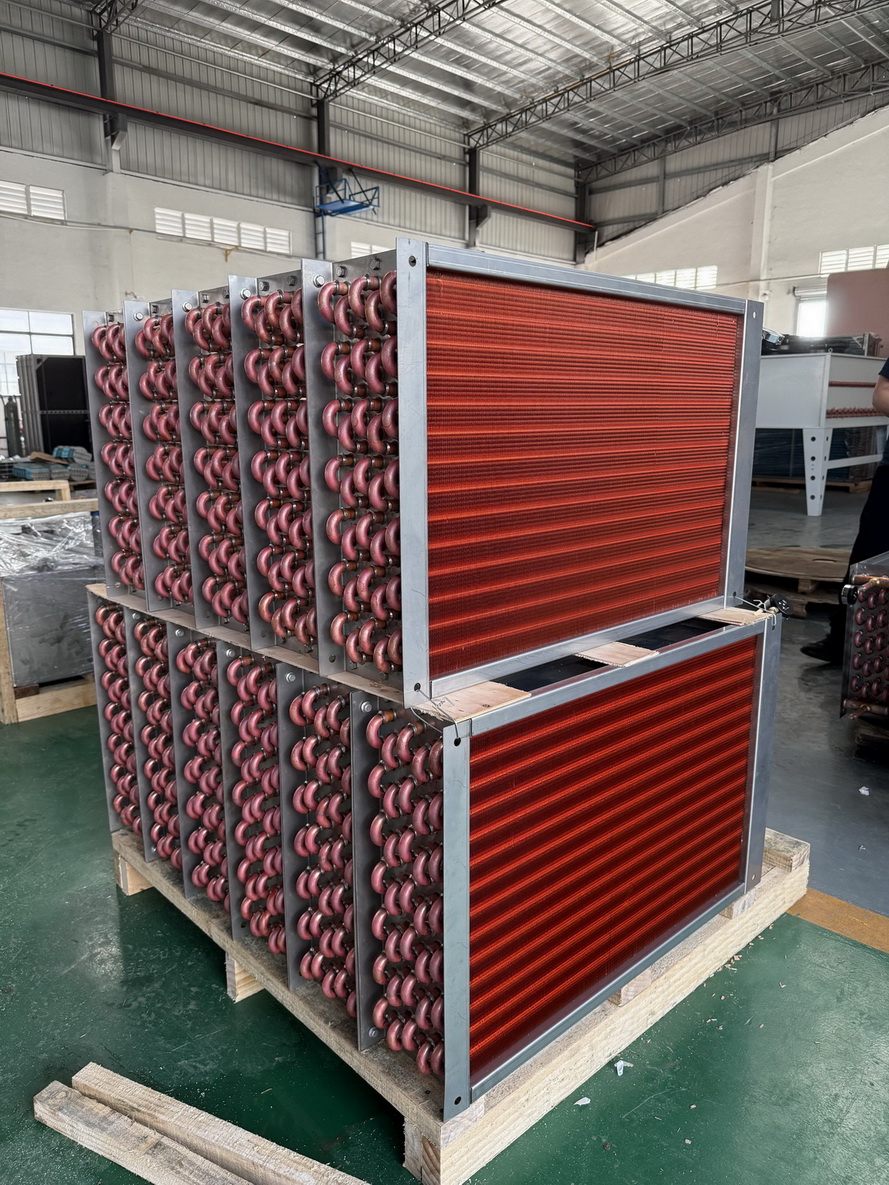
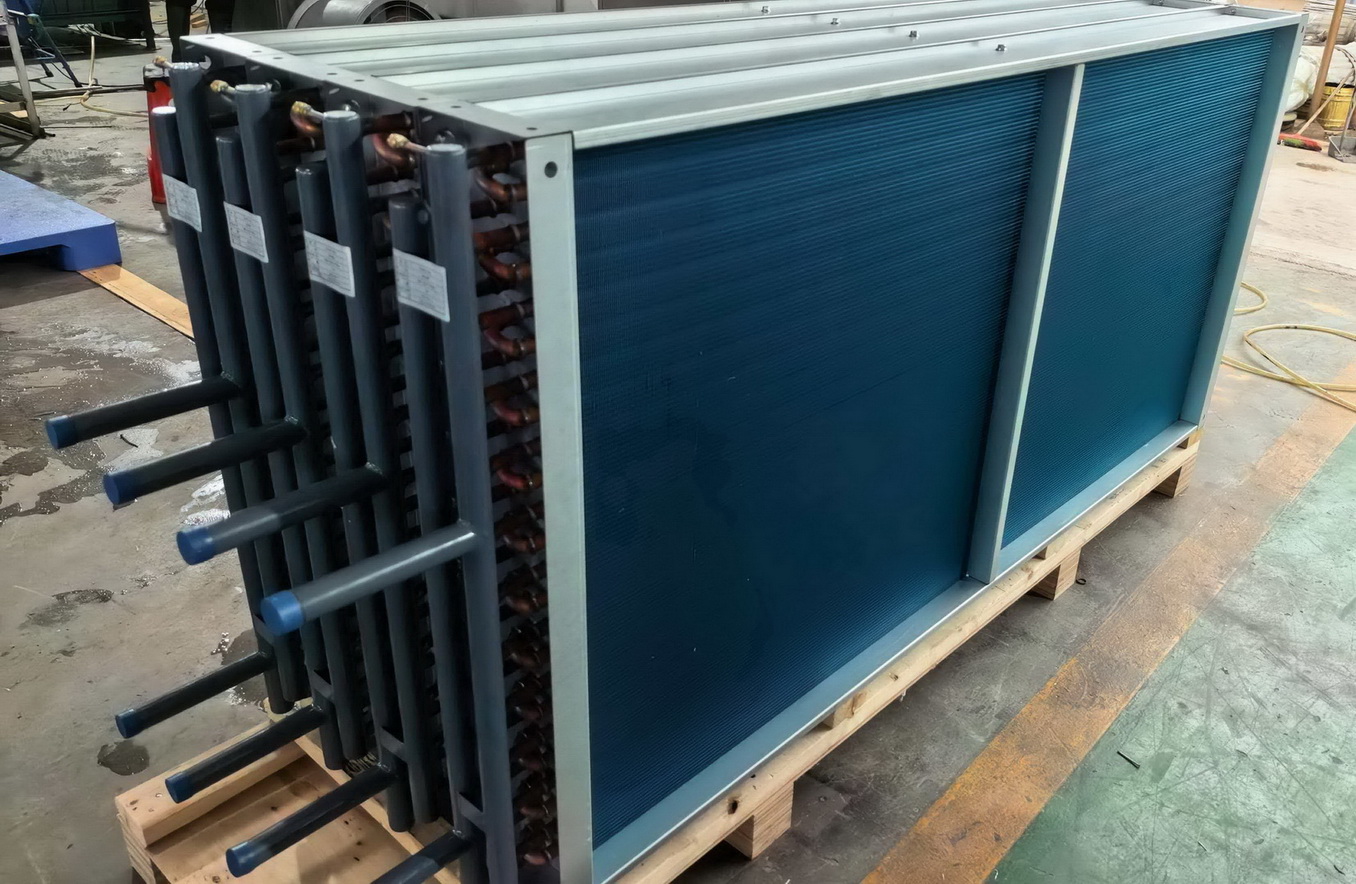
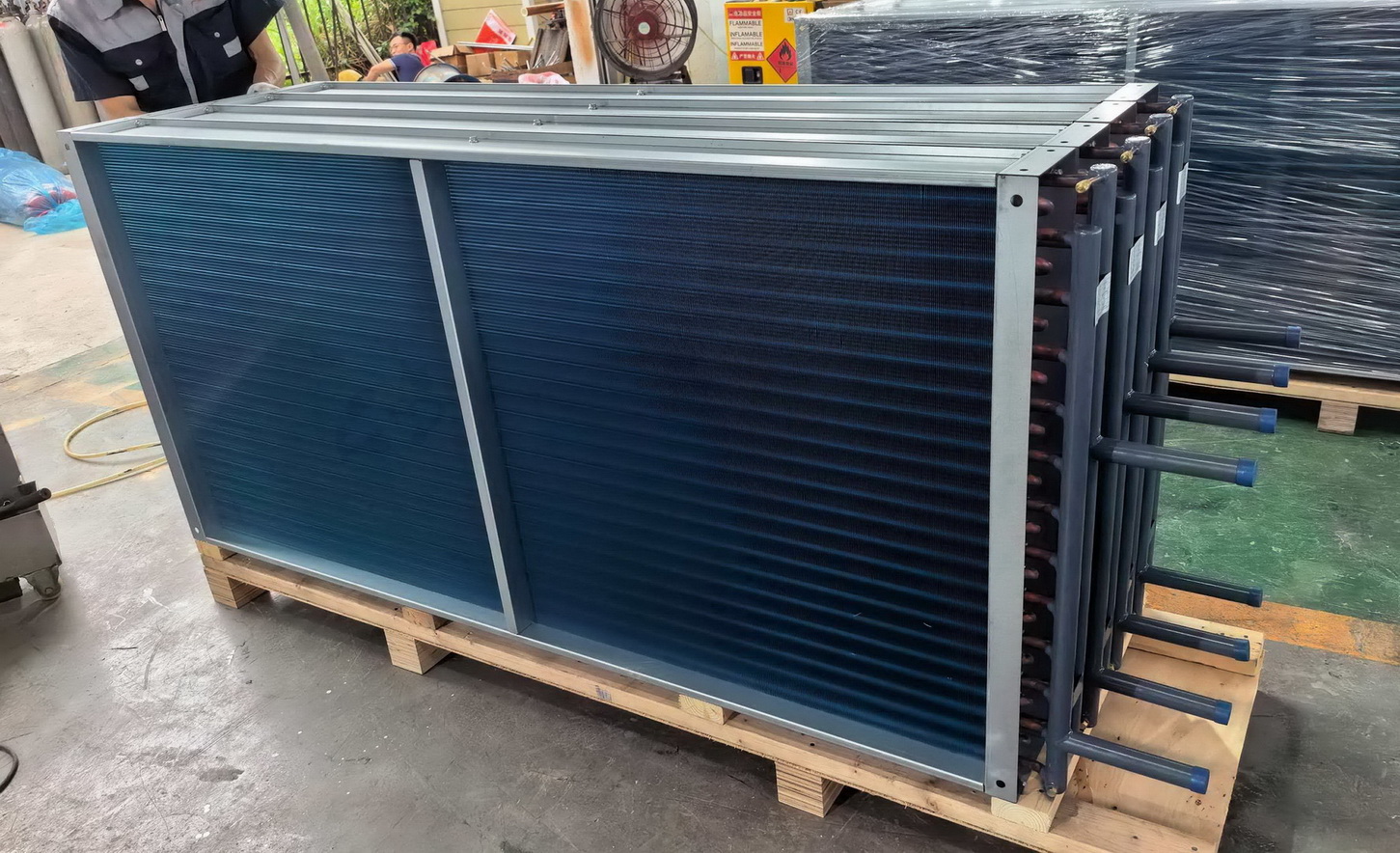
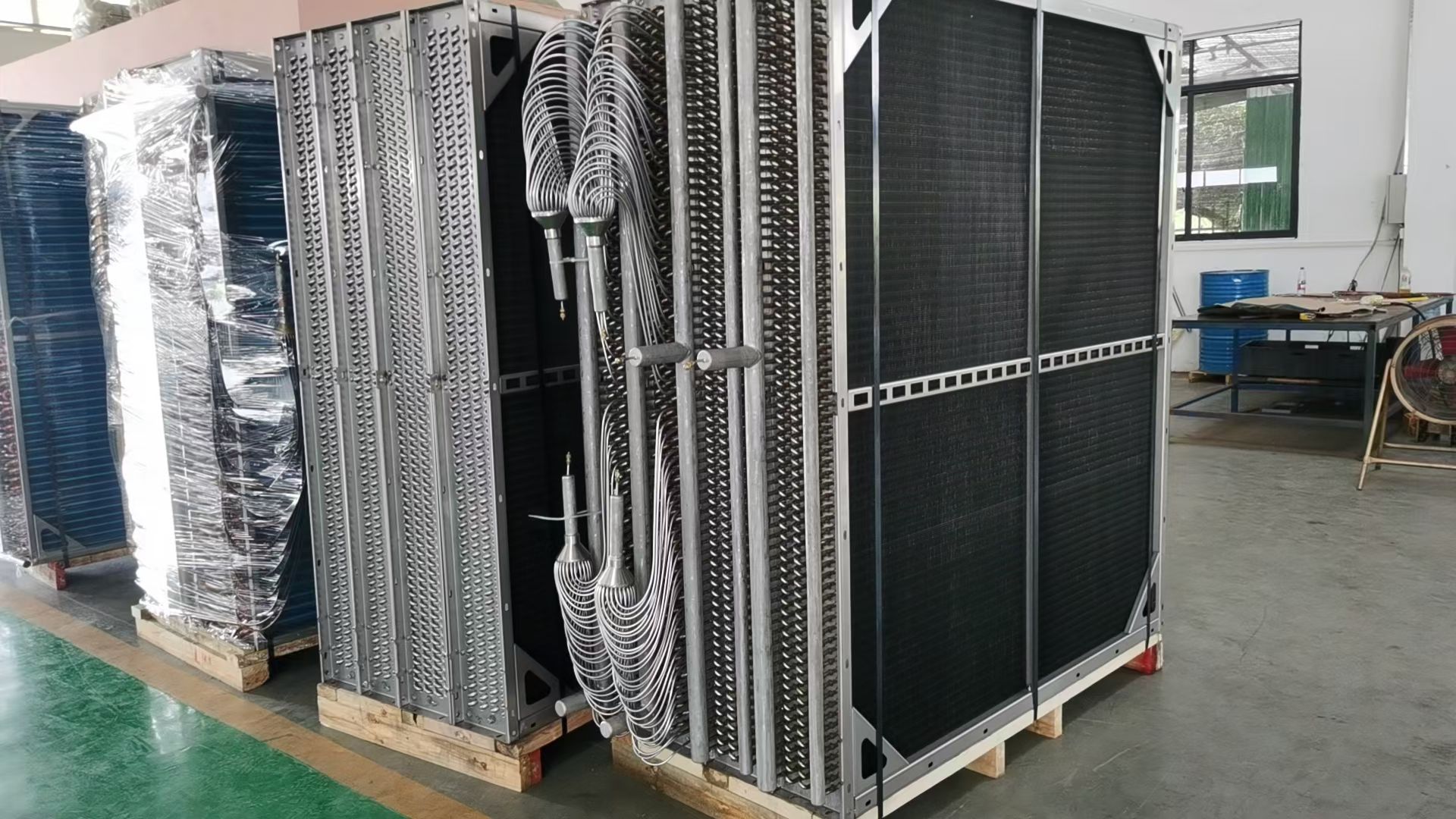
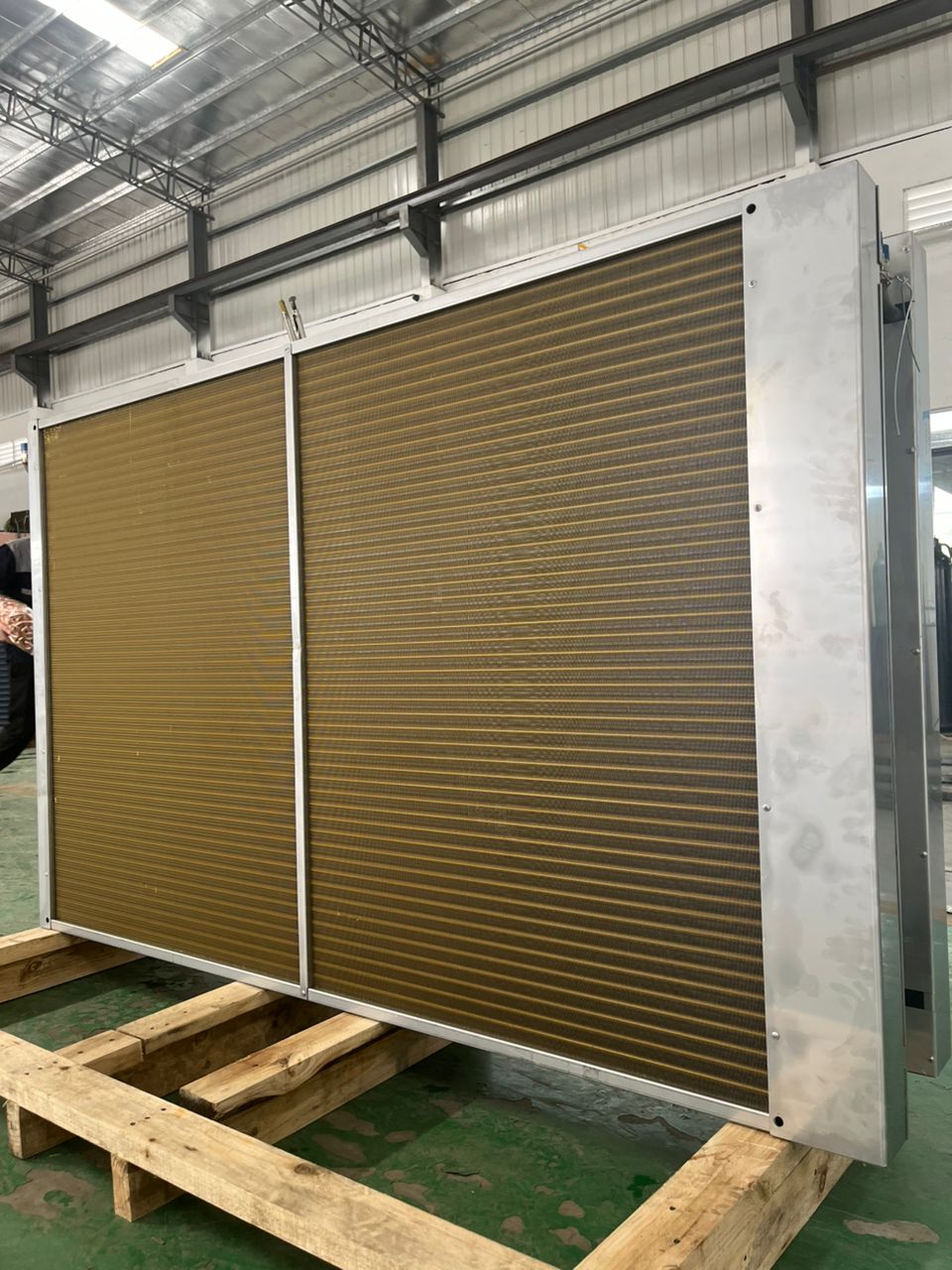
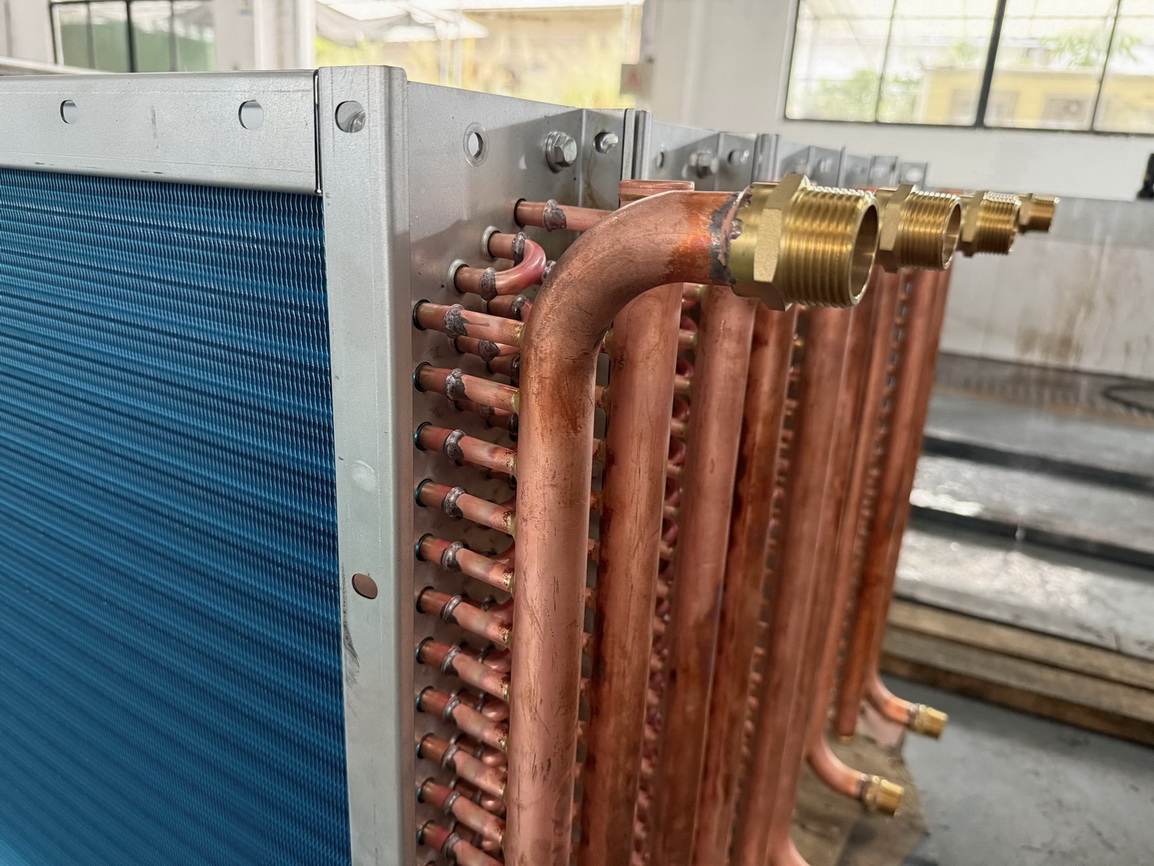
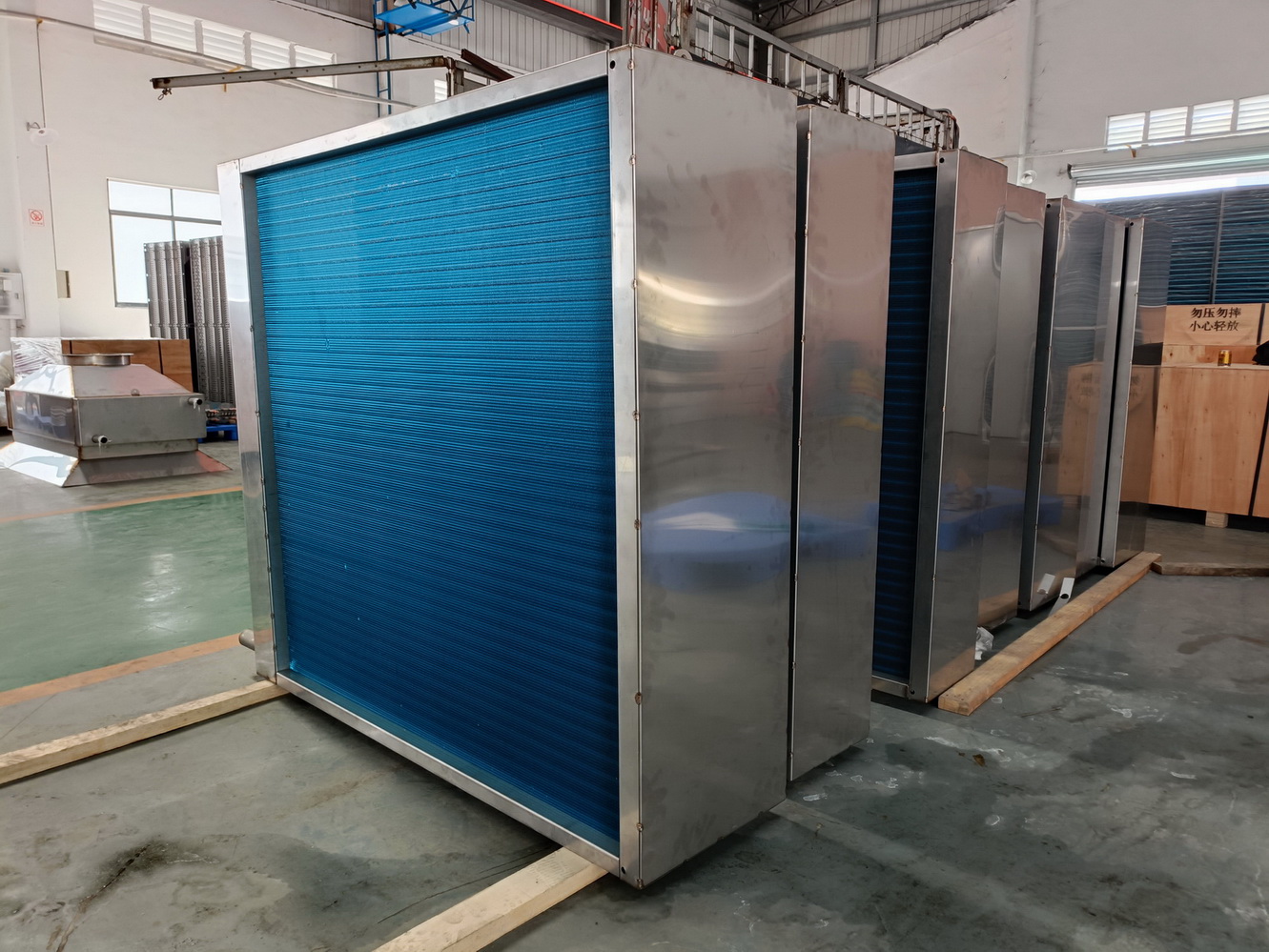
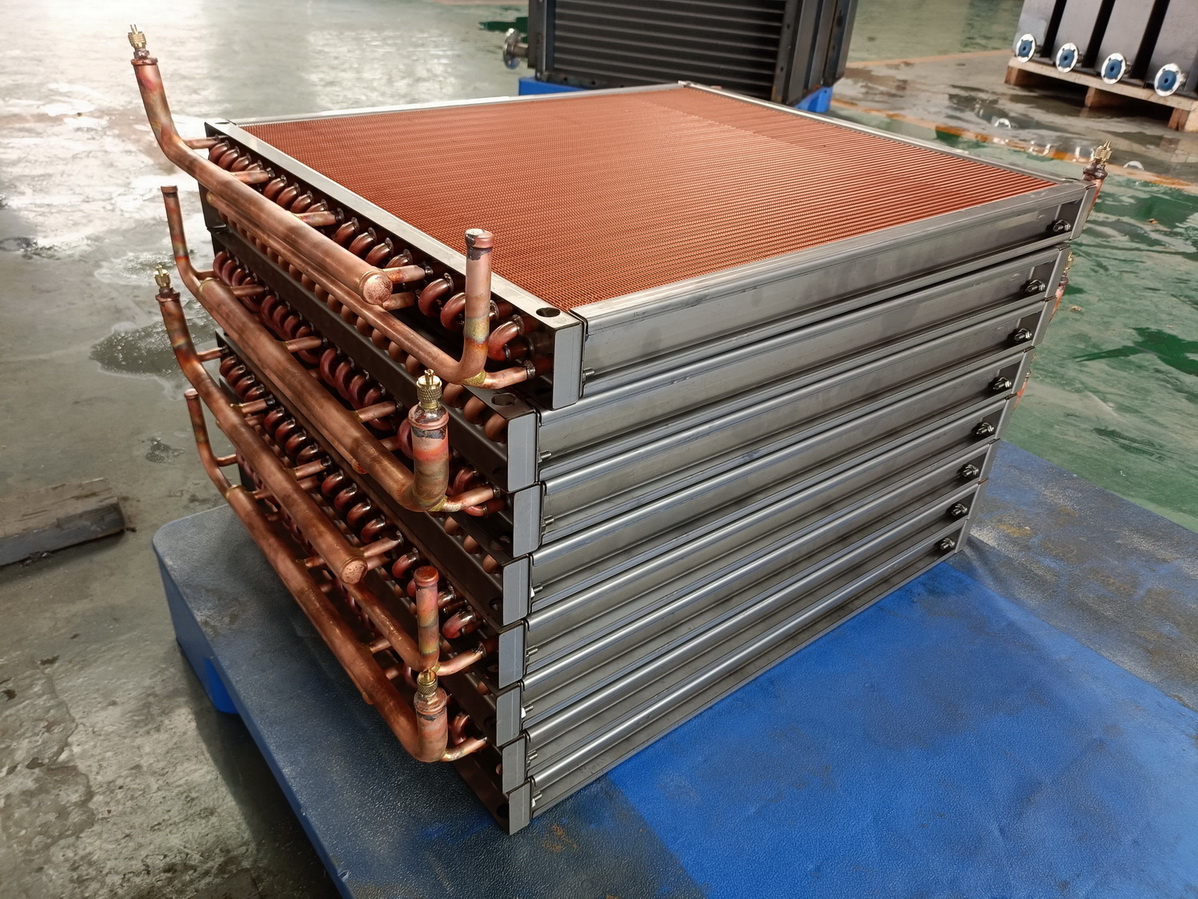
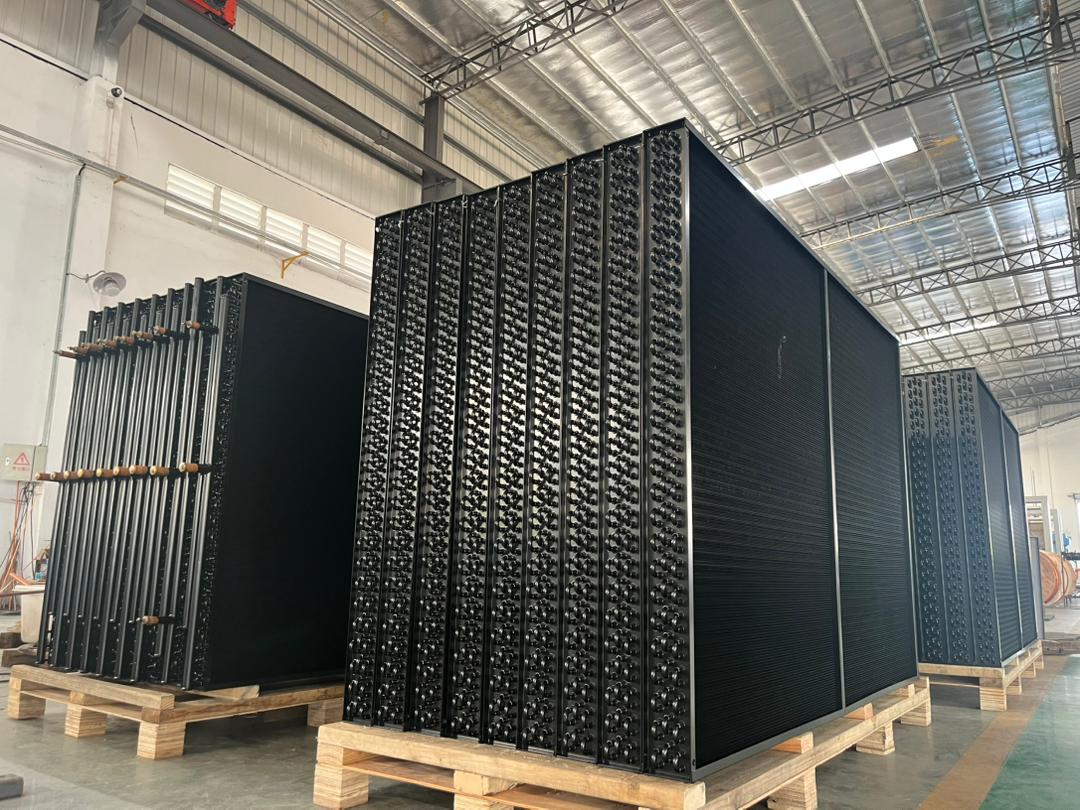
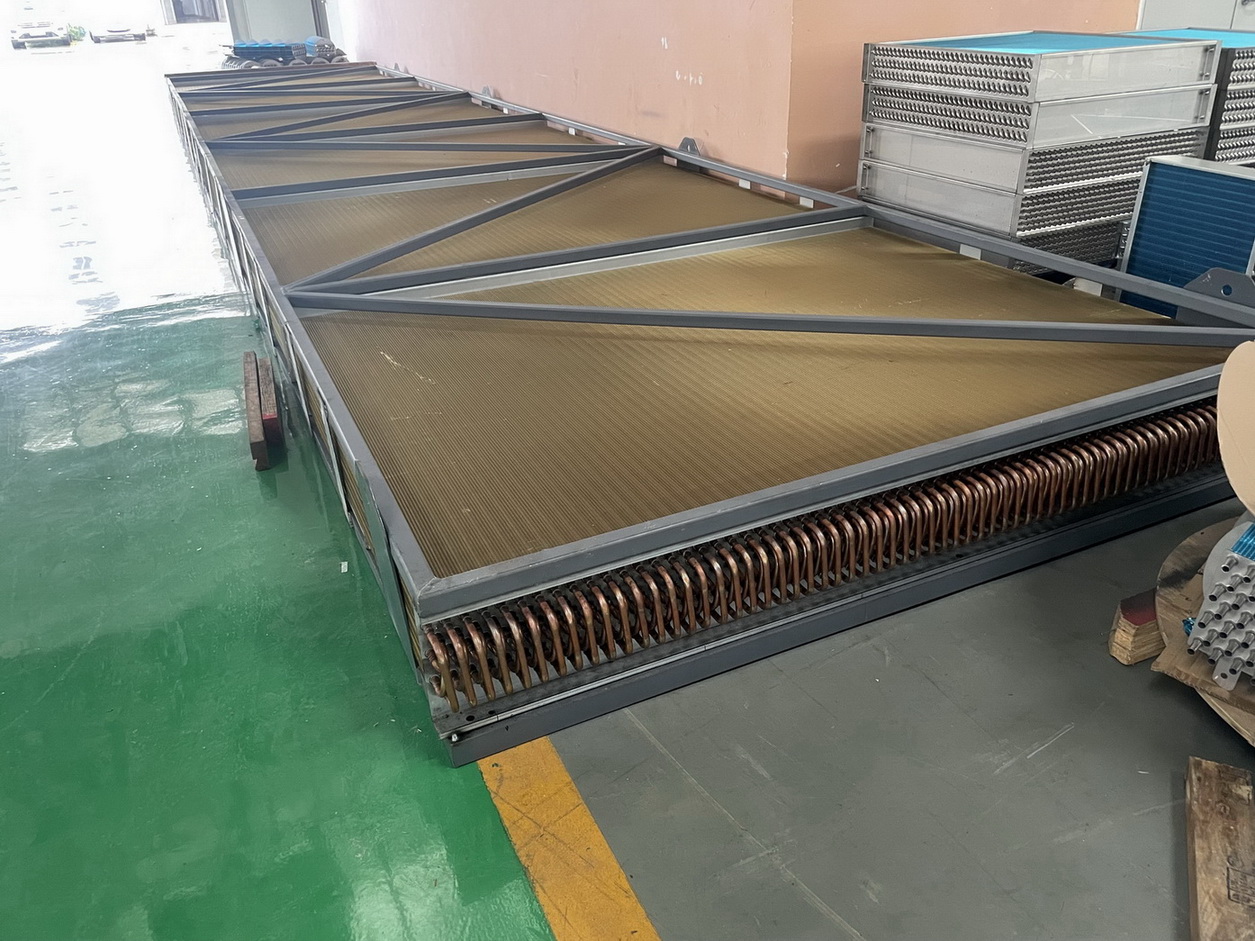
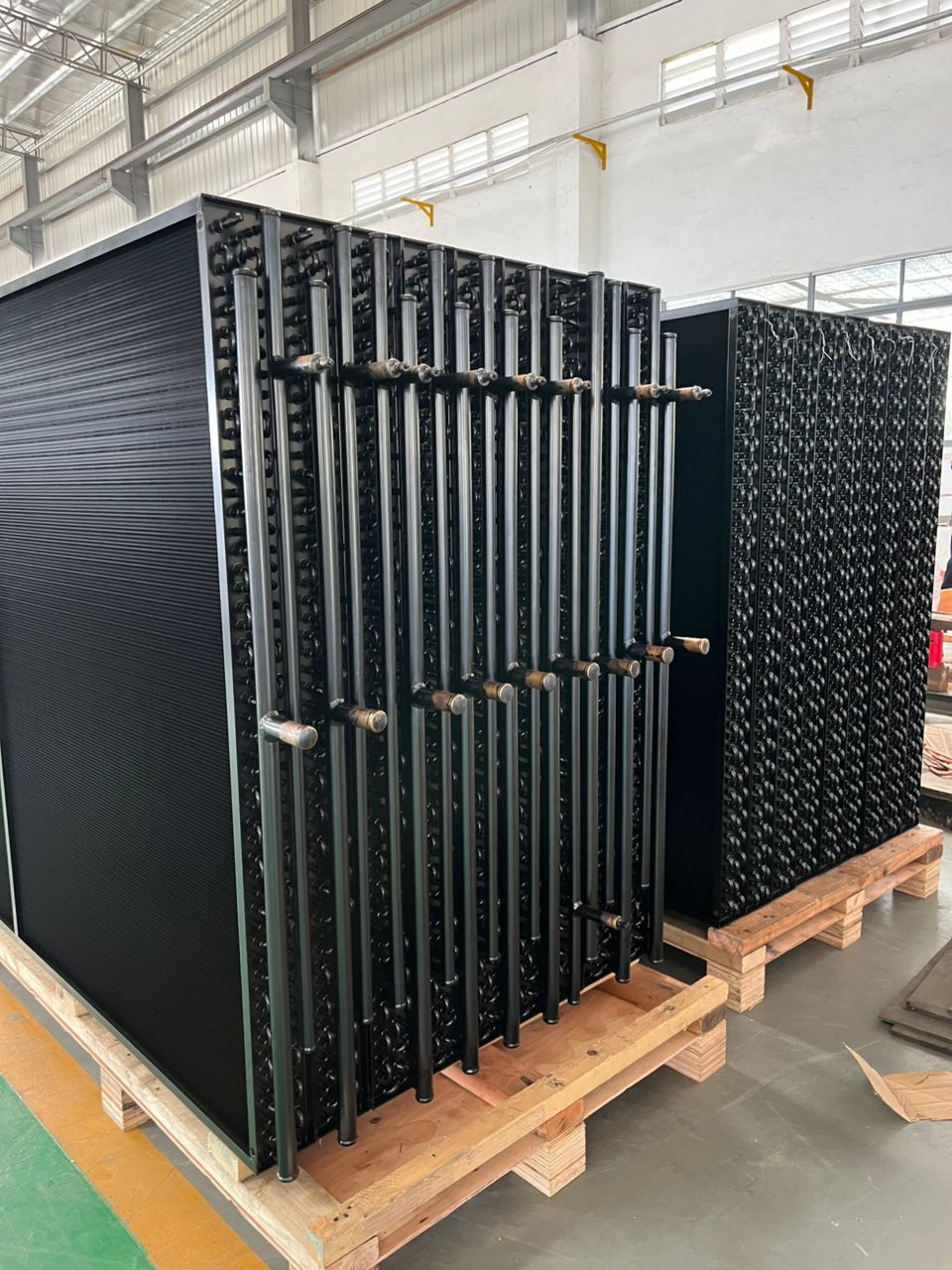
Finned-tube heat exchangers increase air-side surface area for heating, cooling, condensing and heat recovery. Tube and fin materials, fin spacing, rows, circuits, casing and connections can be evaluated around verified operating conditions.
Product scope and applications
Finned-tube heat exchangers add extended surface area around the tubes to improve heat transfer where air is one of the media. Tube and fin materials, fin pitch, tube pattern, rows, circuiting, casing and connections can be configured for air heating, cooling, condensation and recovery. Wider fin spacing may be appropriate where dust, moisture or frost would obstruct a closely spaced surface.
How it works
A heat exchanger moves thermal energy from a hotter medium to a colder medium. Depending on the construction, the media may be air, water, glycol, steam, refrigerant, oil or process gas. Tubes or bundles contain one medium while the other passes around the heat-transfer surface. Fins can be added where air-side surface area must be increased. Headers, circuits and casings distribute flow and support installation in HVAC, refrigeration and industrial equipment.
Selection information
A reliable selection requires both thermal and mechanical data. Key inputs include the media and concentrations, inlet and target outlet temperatures, flow rates, heat duty, operating and design pressure and temperature, allowable pressure drop, fouling tendency and cleaning method. The design must also account for condensation, evaporation, freezing, thermal cycling, vibration, corrosive exposure, installation orientation and service clearance. Different duties may require different tube arrangements, surface areas and materials.
Materials and confirmed performance
Tube, fin, header, casing and connection materials can be evaluated for the actual internal fluids and external environment. Material compatibility depends on chemistry, temperature, contaminants, cleaning agents and contact with dissimilar metals. Final thermal performance and mechanical suitability are confirmed for the approved construction and rating conditions. Pressure, temperature, corrosion resistance and service-life claims should therefore be read together with the project-specific technical proposal.
Related products and quotation
To request a heat exchanger quotation, provide the process media, temperatures, flow rates, target outlet condition, pressure and pressure-drop limits, material preference, dimensional envelope and cleaning requirements. Existing drawings, photographs and failure information are valuable for replacement projects. Related options include finned-tube heat exchangers, tube bundles, heat-recovery units, steam air heaters and hot-water air heaters.